
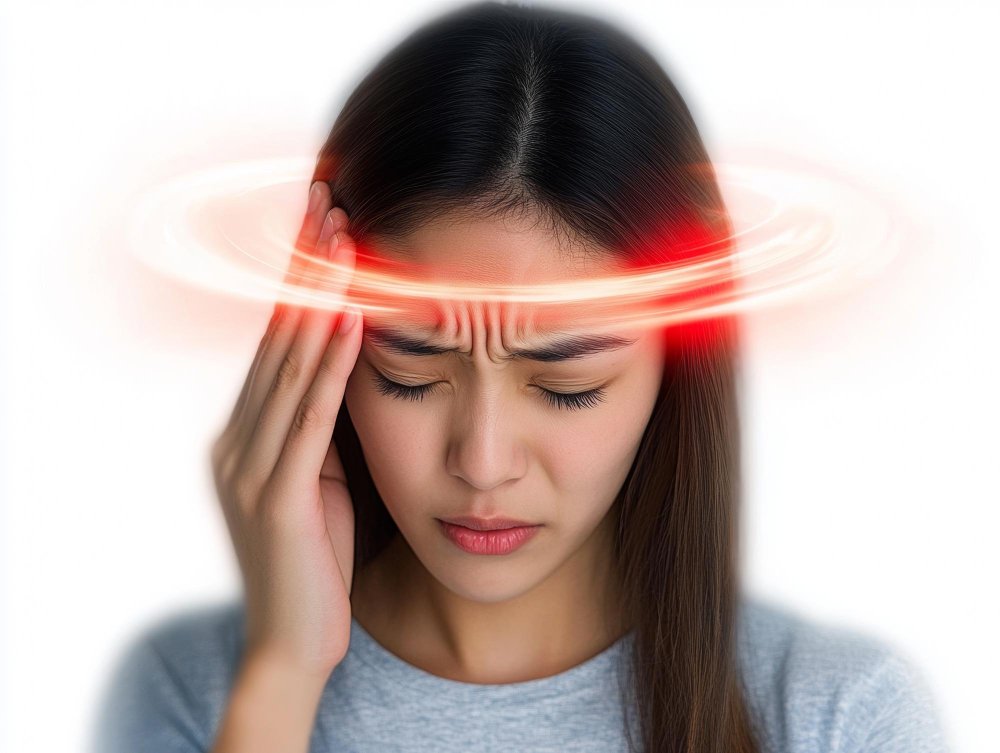
What is Giddiness?
Giddiness is a feeling that your surroundings are spinning or that you might lose your balance. Many people use the word “dizziness” to describe this sensation. Sometimes, you may feel lightheaded, unsteady, or as if you might faint. Although giddiness is common, it can be worrying. Often, it is not serious, but it can affect your daily life. Understanding the causes of giddiness can help you manage your symptoms and know when to seek help.
Common Causes of Giddiness
There are many reasons why you might feel dizzy or giddy. Some causes are simple and easy to treat. Others may need medical attention. Here are some of the most common causes:
For many people, these causes are temporary. However, if you notice your symptoms often, it is important to pay attention.
Less Common Causes of Giddiness
Sometimes, giddiness can be a sign of a more serious health problem. Although these causes are less common, they should not be ignored. For example, certain heart problems can reduce blood flow to the brain and cause dizziness. Infections, such as those affecting the brain or nerves, may also lead to giddiness. Additionally, anxiety and panic attacks can make you feel dizzy or unsteady. Rarely, neurological conditions like stroke or multiple sclerosis may cause ongoing dizziness. If you have other symptoms, such as chest pain, weakness, or trouble speaking, seek help right away.
When to Seek Medical Help
Most cases of giddiness are not dangerous. However, you should see a doctor if:
In these cases, prompt medical care is important. According to the CDC, sudden dizziness with other symptoms can be a sign of a stroke or heart problem.
Prevention and Lifestyle Tips
There are simple steps you can take to reduce your risk of giddiness. For instance, drink plenty of water each day. Eat regular meals to keep your blood sugar steady. Stand up slowly, especially after lying down or sitting. If you take medicines, ask your doctor if they could cause dizziness. In addition, avoid alcohol and limit caffeine, as these can make you feel dizzy. Try to get enough sleep and manage stress. If you have frequent giddiness, keep a diary of your symptoms. This can help your doctor find the cause and suggest the right treatment.
Conclusion
In summary, giddiness can arise from various causes, ranging from mild dehydration to more serious health issues. If you experience frequent or severe episodes, consult an ENT specialist, Dr Balamurugan Rajaram at Dr Bala’s ENT Hospital, for personalized advice and early care.